
There are three common patterns that lead to out-of-control eating and knowing which ones are most dominant for you could make a real difference to your recovery. If you’re focusing on the wrong pattern, you might actually be working against yourself.
I first came across these three patterns laid out together in a 2025 Japanese study looking at GLP-1 weight-loss medications (full reference at the bottom of this post). The researchers identified three eating behaviour patterns that fuel out-of-control eating, they were emotional eating, external eating and restrained eating.
So why does this matter?
If you are focusing on trying to ‘fix’ the wrong pattern nothing is going to change. In fact, you might be inadvertently triggering more compulsive eating.
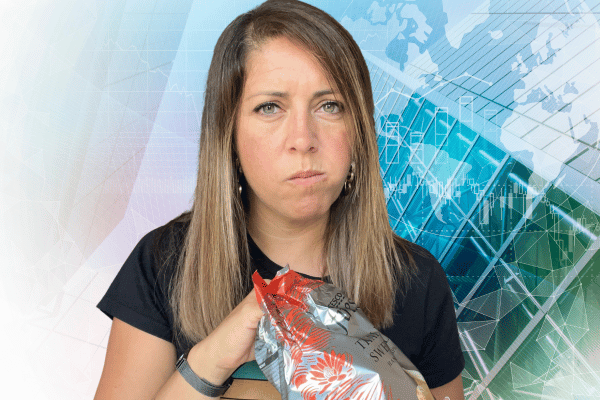
Emotional Eating
Emotional eating isn’t simply “I feel sad so I’ll eat.” It’s much more about regulation. People eat for comfort, for safety, for distraction, for numbing, for relief, for reward and/or because they feel lonely. When your brain has learned that eating solves all of these things, it just keeps offering food as the solution whenever any of these needs show up.
Pretty much everyone eats emotionally sometimes — it’s really a question of degree. Is it that stress makes you eat a little bit more than usual, or does stress send you completely off the rails with food? Do the difficult patches in your life tend to be when you feel most out of control around eating? Emotional eaters often blame themselves for lacking willpower, but this is really about nervous system regulation. It’s biological, psychological and emotional all at once.
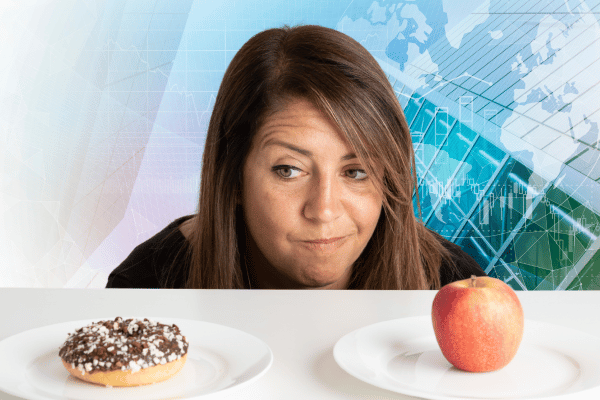
External Eating
This one doesn’t get nearly enough attention in the recovery world and I think it should. External eating is essentially a heightened sensitivity to food cues. You weren’t thinking about food until you smelled something cooking, saw someone else eating or walked past a bakery. Our brains have evolved to respond to environmental food cues, but for some people this response is just much stronger.
Someone high on the external eating scale will find buffets genuinely difficult. They’ll notice that foods they feel pretty indifferent to when out of sight become really compelling the moment they appear. I also suspect people with ADHD, or anyone who scores high on impulsivity, are more likely to have this as a dominant pattern.
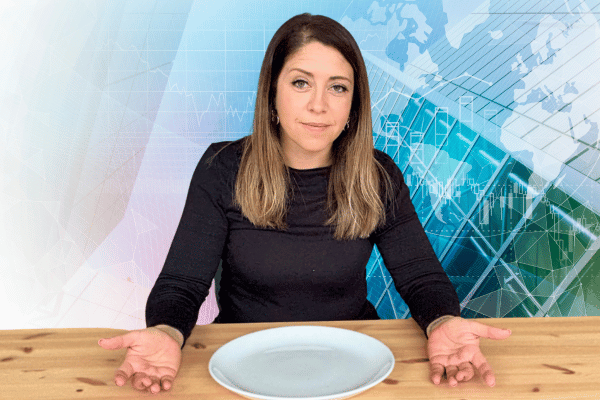
Restrained Eating
The irony of restrained eating is that it’s the very thing people try in order to stop overeating. Restrained eaters follow food rules, track what they eat, think in terms of “diet starts Monday,” and are very vulnerable to what’s sometimes called Last Supper eating, which is triggered when restraint breaks. It feels like a last chance to eat everything before the rules kick back in. That anticipation of restriction is exactly what makes the eating feel so out of control.
Why this matters
This is also why the “all-in” approach pushed by some intuitive eating practitioners doesn’t work for everyone. The idea that you bring all your binge foods into the house and eventually you’ll regulate around them is really only addressing restrained eating. If you’re high on external eating, surrounding yourself with triggering foods can make things worse — and then you’re left feeling like you’re doing recovery wrong.
Most people are a blend of all three patterns. An emotional and restrained eater might hold it together all day and then lose control in the evening. An external and restrained eater might feel absolutely fine until they’re exposed to certain foods. An emotional and external eater might find that stress plus easy food access creates a perfect storm.
As a therapist who helps people to regulate their appetites, I see so many people who are stuck because they have been treating their out-of-control eating as one single problem. It’s worth considering it through your patterns of emotional, external and restrained eating. I’ve built a free self-reflection tool so you can explore which patterns are most dominant for you and you can find it by clicking here.
To see what services I offer and if I can help you, please check out my service list here. I also create regular videos on recovering from binge eating and compulsive eating on my YouTube channel The Binge Eating Therapist.

